7 Ways to Save Farmland
  1. Buy local food
  2. Know your neighbor farmers
  3. Ask for local when shopping
  4. Prepare local meals for friends
  5. Speak out on local farming policy
  6. Educate friends about buying local
  7. Contact legislators


_________________________

Know Your Farms, LLC
PO Box 1361
Davidson NC 28036

info@knowyourfarms.com

980-225-1020 

Gilcrest Natural Farm

Gil and Amy Foster
Iron Station, NC
Beef, Chicken, Eggs, Produce


Gilcrest Natural Farm Logo

Gilcrest Natural Farm is in its third growing season although Amy and Gil been backyard gardeners their whole lives. When asked Why do you farm?, Amy responded, "The short answer is joy. The long answer would involve long discussions about food quality, sustainability, job satisfaction and education of the next generation."

Amy farms full time, Gil works off-farm as well as on the farm. Their family supplies the majority of the labor. From time to time they will hire a contractor to help with things they do not have the equipment or expertise to do themselves.

Gilcrest Natural FarmGilcrest farm is peaceful. Amy calls it the "animal spa". Living in natural surroundings and in collaboration with nature creates a balance they have been striving for, well forever.

Downtime in the winter months will give Gilcrest Farm a chance to pursue certification from the Animal Welfare Institute. They consider a repeat customer the best honor. Their long-term vision is a continually evolving one with content, pasture raised animals, bountiful and sustainably raised vegetables and fruits, and those pecan trees they want to get planted.

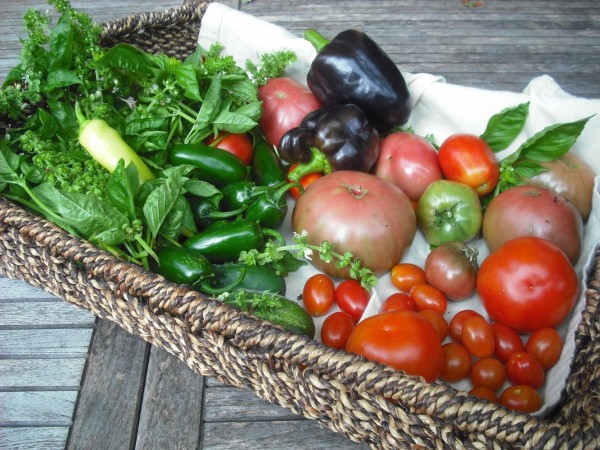
Produce

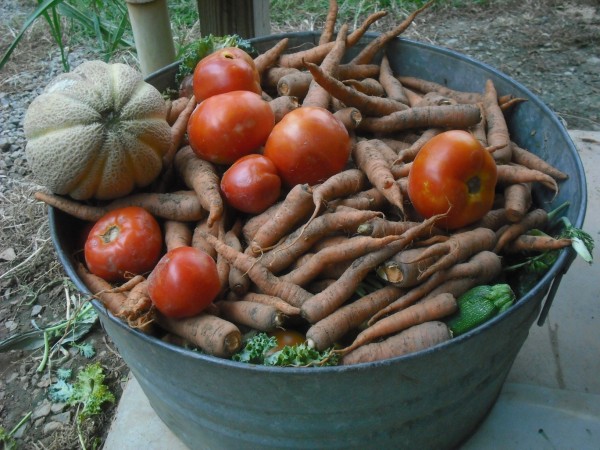
Gilcrest Farm uses organic methods (but are not certified organic) that include trap crops, companion planting, crop rotation, compost and mulch, organic fertilizers, and they remove plenty of weeds and bugs by hand. (The chickens are happy to help with bug disposal!)

In times of drought soil fertility is a special challenge. Amy and Gil use compost and aged manure along with crop rotation, cover crops, and rest periods. They find growing organically a welcome challenge. They are stewards of their land and want to preserve its viability for generations to come. They specialize in heirloom vegetables and search for varieties that are suited to our climate in order to give them the best chance to succeed. Amy and Gil prefer the taste and nutritional content of organically grown foods and hope their customers do too.

Beef

Gilcrest Farm currently has anywhere from 18 to 24 steer. They obtain their cattle from local farmers whose methods meet Gilcrest Farm standards. Gilcrest Farm will purchase an animal from the post-weaning stage up to the age of 14 months and then bring them to the farm to finish raising them.

Gilcrest Farm raises their beef in a sustainable manner – rotating pastures, using only natural methods to seed and fertilize the pasture, and monitoring their growth and welfare. The animals are on pasture 24/7. The cattle are fed an all natural grain mix. The animals receive a limited amount of grain each day – this prepares their system for the future marbling customers want. Before processing, the amount of grain is increased to “finish” the animal properly. The amount of time needed for finishing varies with the size and age of the animal.

The cattle are never given antibiotics or hormones, steroids, or growth promoters.

Poultry

With regard to poultry, in 2009 Gilcrest is raising 1,500 broilers and have 70 laying hens. They get their day-old poultry from a local hatchery in Claremont, Shook Poultry.

The broilers are raised on pasture and our laying hens are free-range. Each group has five acres of pasture dedicated to them. Each group is fed chicken feed formulated for their growing stage in addition to their pasture diet of grasses and bugs. As chicks, a vitamin supplement is used to supplement the nutritional content of their feed.

The birds are never given antibiotics or hormones, steroids, or growth promoters.

Eggs

Gilcrest Farm has 70 laying hens of various ages that are purchased as day-old chicks from Shook Poultry in Claremont. The laying hens are free-range, with five acres of pasture dedicated to them. Molting is a natural process that Amy and Gil do not interfere with or manipulate.

The chickens are fed a feed formulated for their growing stage in addition to their pasture diet of grasses and bugs. They also receive crushed oyster shell to ensure proper calcium intake. As chicks, a vitamin supplement is used to supplement the nutritional content of their feed.

Read More

Gilcrest Natural Farm