Join the Spring CSA!

If you want fresh local food brought to convenient locations, sign up now!  

Pickup locations: 

  • Dilworth @ A Milky Way
  • Huntersville @ Earthfare
  • Plaza-midwood @ Eco-licious
  • South Park @ Earthfare
  • Ballantyne @ Earthfare
  • Concord @ Barbee Farms
  • Davidson
  • Denver @ Freshly  New!!
  • NoDA @ Pura Vida   New!!
  • Highland Creek Neighborhood New!!
  • Piper Glen Neighborhood   New!!
  • Cornelius @ Gotta Yoga LKN   New!!
  • Cornelius @ The Bindu   New!!
  • Gastonia-Dallas (Tentative)
  • Matthews (Tentative)
  • University (Tentative)
 
On-Farm Work Projects

Sat. March 10, 2012

@ 8th Street and Brevard (uptown)

Charlotte Urban Farm Project

Time: TBD

Signup Here

_________________________

Know Your Farms, L3C
PO Box 1361
Davidson NC 28036

info@knowyourfarms.com

980-225-1020 

Review Us


Commonwealth Farms

Jane Henderson, Garland Carmichael, and Lomax beginning farmers
Cabarrus County, NC
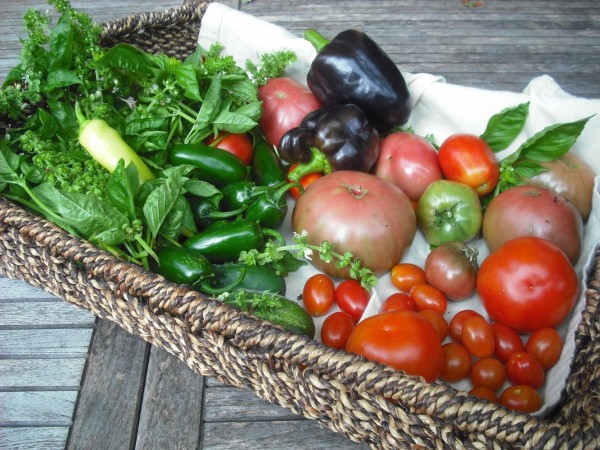
Organic Produce, Herbs, Edible Flowers, Bouquets


Commonwealth Farms

Commonwealth Farms is a collaborative effort managed by Jane G. Henderson, who has farmed organically in the greater Charlotte area for the past 8 years. The enterprise now consists primarily of plots in two Cabarrus County locations: 2/3 acre at Jane’s small farm and 1/3 acre at her mother, Garland Carmichael's home. Having participated at the certified organic Elma C. Lomax Incubator Farm for two years, Jane has built working relationships with farmers there and is able to expand the variety of her offerings with those of Lomax farmers from time to time.

Jane has, for a long time, envisioned a group of people working together to provide local, sustainably grown food for each other and for those who are not able to grow enough of their own. She considered farming on a piece of land on Commonwealth Ave. in Charlotte, and when that location didn't work out, the name "commonwealth" stuck--from the idea of serving the "common" good, of pooling resources and sharing the "wealth" of Earth's bounty. When Garland moved from Charlotte to the site of the former Suther dairy farm in late 2006, Jane added that location to her other gardening ventures and Commonwealth Farms was born. Jane’s family moved to Cabarrus County 3 years later.

Both Jane and Garland came to farming through their love of flowers and appreciation for delicious, nutritious food. Jane believes that flowers feed our spirits in the same way that food nourishes our bodies. Her goal is to have edible and decorative flowers available 365 days a year. She also specializes in the production of winter vegetables and various specialty crops, such as baby ginger. Jane and her mother enjoy the companionship of gardening with others, the satisfaction of harvesting Earth's gift of food and the feeling of community in sharing lovingly raised vegetables and flowers with others.

The 2 women do much of the garden work themselves, but welcome the help of neighbors (and their equipment) in developing the garden framework and occasional plowing. Nancy Doyle provides indispensible support and Jane's husband, Harry Lancaster, is an occasional contributor of labor and "engineering" expertise.
Garland's desire for an aesthetically pleasing garden space led to a pattern of circles and chevrons rather than the usual straight rows seen in
many farms. There is respect for the cycles and creatures of Nature while growing unusual and uncommon varieties of flowers and vegetables along with native species. They mix up flowers, vegetables and herbs within the beds for a change of pace and to try to confuse the caterpillars who would like nothing better than to munch their way along a 100' row of broccoli. These farmers are also happy to experiment with growing special requests to suit the tastes of their customers.
Jane’s long-term vision is to mentor and empower people to grow whatever food they can for themselves all year long. She welcomes the participation of others who want to learn more about growing their own food and flowers.

Produce

Commonwealth Farms uses organic, sustainable practices with minimal impact to the environment. We believe that strong, healthy crops have greater resistance to pests and disease, so we strongly emphasize soil health as a "preventive" measure. We also use mulches, crop rotation, trap crops, companion planting and insectary borders to attract beneficial insects to the garden. If we should have a pest infestation that threatens the survival of a crop, we might dispose of the plants (as we did with squash one summer) or, at Garland’s, perhaps use minimum impact pesticides in order to save a crop from devastation. Jane leans toward biodynamic farming practices and would like not to kill anything (a la Machaelle Small Wright at Perelandra Farm in Virginia, http://www.perelandra-ltd.com/2007_Virtual_Garden_Tour_6_In_W2599.cfm), but at this point she can be found hand picking and disposing of certain pesky insect eggs and, at times, hand picking (and squishing) the adults.

To keep the soil healthy, Commonwealth Farms uses cover crops, compost, manures (chicken and horse), pond sludge, fish emulsion, seaweed and other natural minerals to enrich the soil, with a constant goal of increasing organic matter. Garland’s plot is in its fourth year of transformation from a go-cart track to a productive garden spot. Mulching heavily helps conserve water and a trench system in the garden pathways holds rainwater longer, allowing more time for water to soak into the garden. Rain barrels also collect water for garden use.

Commonwealth Farms adheres to the principles of "organic" gardening, but not always to the letter of USDA regulations at Garland’s home. We have used glyphosate ("RoundUp") to kill Bermuda grass and poison ivy. We haven’t always searched 3 sources for organic seeds before purchasing non certified organic seed. Overall, however, we have utmost respect and gratitude for the ecosystem and do our best to leave our farms even better for future generations.

Share this post